 MINDBODY
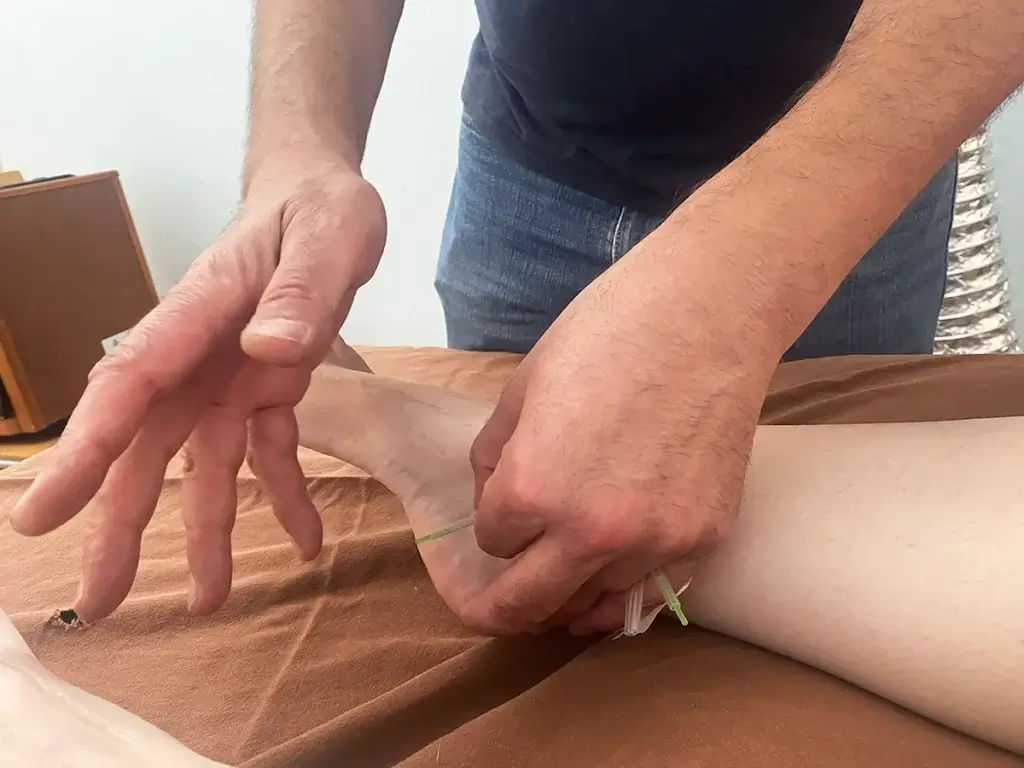
The use of needles as a therapeutic treatment is a centuries-old practice, originating in ancient China as Acupuncture. In the past few decades, dry needling has emerged as an approach to pain relief. Despite the difference in name, both systems involve the insertion of a thin needle into the superficial tissues of the body. Beyond that, the differences are stark, particularly in the required training by the presiding regulatory agencies. When it comes to dry needling vs. acupuncture, we’ll highlight the important differences you need to know.
What is Acupuncture?
As previously mentioned, Acupuncture — or more accurately, Acu-Moxa — originated over 2,000 years ago in Ancient China. Fine-gauge needles and a combustible plant fiber known as Moxa are shallowly inserted into the skin at strategic points. This produces specific changes in the body’s nervous system, such as the endocrine, muscular, and circulatory systems, along with the body’s motor and sensory nerves. Acupuncture is used to treat a wide variety of ailments, including, but not limited to:
- Post-workout recovery
- Musculoskeletal pain
- Digestive complaints
- Allergies, cold, and flu systems
- Gynecological concerns
- Sleep issues
- Hormonal imbalances
- Stress and anxiety
In Texas, licensed acupuncturists are required to complete at least 1,800 hours of formal education, including a minimum of 660 supervised clinical hours, before they are eligible to sit for board exams and apply for licensure.
What is Dry Needling?
Dry needling started in the 1940’s and involves inserting needles into myofascial trigger points. Typically performed by physical therapists and chiropractors, this service is used to treat musculoskeletal pain and mobility issues. It is often a part of a larger pain management plan. As it’s currently practiced, it can best be described as a basic subset of acupuncture.
In Texas, there is currently no minimum required training standard to perform dry needling. Most practitioners will voluntarily complete dry needling programs that range from 30 to 50 hours of training.
Dry Needling vs. Acupuncture
Dry needling involves deeper needle insertion, especially into tight muscles. It is often used in areas with greater anatomical risk, such as the lungs, nerves, or blood vessels. This can pose more serious risks, such as a pneumothorax (a collapsed lung). In mid-December of 2025, Pittsburgh Steeler T.J. Watt was sent to the emergency room with a collapsed lung as a result of a dry needling session. While most practitioners are thoughtful and cautious, and these complications are rare, it’s important to take into consideration the lack of training regulation for dry needling.
As dry needling is a relatively new practice, the research on it is limited, as opposed to the more extensive published research on acupuncture.
While both services can address muscle pain and tightness, acupuncture’s benefits extend beyond that to treat a wider array of symptoms. Dry needling targets specific areas and symptoms. Acupuncture, on the other hand, takes a holistic, whole-person approach to treatment, beyond the physical symptom.
It’s safe to say that when seeking relief from pain, if needles are used, it should be done by a licensed and experienced acupuncturist.
The Benefits of Acupuncture at Castle Hill Fitness
 Our resident acupuncturist, Aaron Rubinstein, has been practicing for over 25 years. He uses a Japanese technique that utilizes the finest gauge needles with insertion depths of only a few millimeters. His approach is rooted in exceptionally gentle, precise techniques learned directly from legendary Japanese acupuncturists such as Shoji Kobayashi. In addition to his clinical work, Aaron is an international educator and a published writer on Japanese acupuncture, known for its emphasis on safety, gentleness, and effectiveness.
We consider ourselves so fortunate to have Aaron’s world-class acupuncture expertise as part of our Castle offerings. Experience his skills for yourself – book your next session at the button below!