 MINDBODY
By: Nickie Harris, Concierge at Downtown
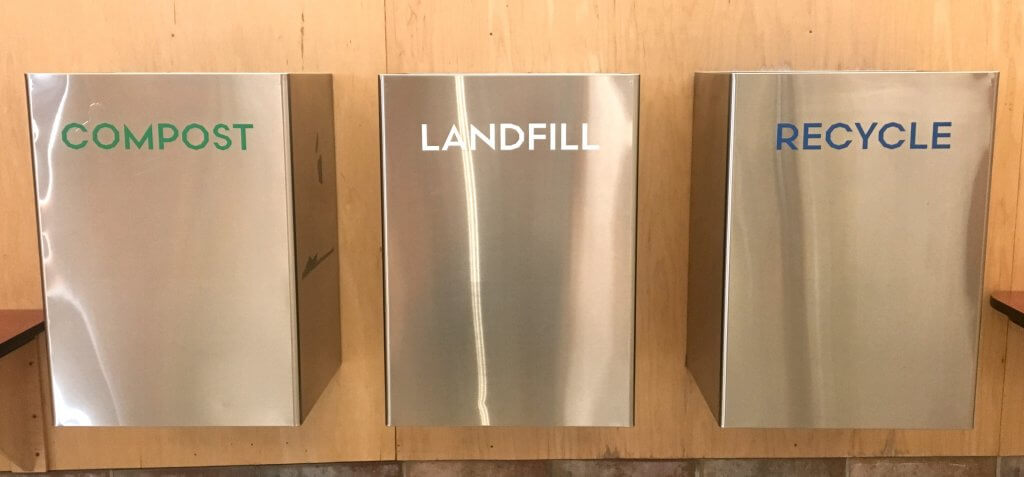
We all know the basics of recycling – glass, aluminum, paper, and plastic can be tossed in the recycling bin and taken away to Balcones Resources to start their new life. But what happens when you end up with an item you don’t know what to do with? We see a lot of items placed in the wrong bins at Castle Hill (no shame – even our staff gets confused and it’s a common problem according to this New York Times article). After all, we strive to live up to our Green Initiatives and our Platinum-level Green Business Leader status. Composting and recycling are some of the easiest, everyday ways to reduce your carbon footprint because the process turns waste into valuable new products and keeps resources out of the landfill.
Read on to see the most commonly misplaced items here at Castle Hill and where they should actually go, so our friends at Balcones and Organics by Gosh Compost get some quality single stream recycling and compost from us.
What Goes Where: A Quick Guide
Compost
If an item is compostable, it means it is a biodegradable product that can organically decompose and then be used as nutrient-rich soil to fertilize plants and crops. Think veggies, fruits, paper products, teas—y’know, nature-y type things.
Don’t compost meat, dairy, fats, cooking oils, items treated with chemicals, herbicides, or pesticides. While most of these items are organic in practice, most compost systems won’t reach a high enough internal temperature to facilitate the decomposition process and kill all the bacteria present.
Recycle
Recyclable items are manufactured materials that can be reused. Through a processing treatment, wasted items are reconverted into more useful material. For the most part, metals, plastics, cardboard, glass, and paper should be recycled. Always make sure any items you recycle are empty, clean, and dry. For example, that cardboard but grease-soaked pizza box? That’s a no-go for recycling. Cooked food items should go in the trash.
Trash
The rest goes in trash! Non-biodegradable and can-never-be-used-again-EVER items are diverted to landfills.
This Goes in Compost:
Soup Peddler smoothie cups, lids, and utensils: These items are compostable with industrial composting, which Organics by Gosh does for us. These are not approved for in-home composting, however.
Paper Towels: Paper products like paper towels can be placed in the compost! The fibers of paper are easily biodegradable.
Coffee Cups: Paper coffee cups normally have an interior lining to keep the cup from falling apart when filled with liquid. These interiors are usually made out of a thin lining of plastic or wax – if your coffee cup has a wax lining, you can throw it in our compost bins, as an industrial composting plant has the resources to process
This Goes in Recycling:
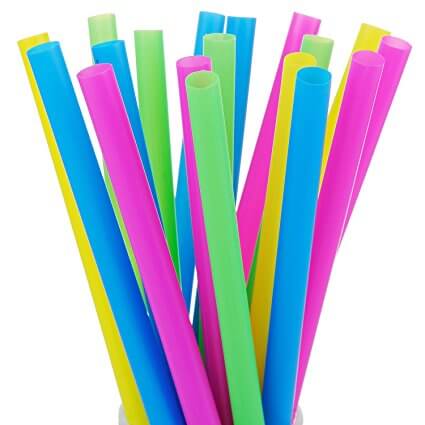
Straws are one of the most common waste items found in the ocean – so it’s super cool that Soup Peddler offers a special recyclable straw!
Soup Peddler Smoothie Straws: Not all plastic straws are recyclable, but our neighbors at the Soup Peddler keep it green with specially made recyclable straws.
Coffee cup sleeves and lids: Once you’re done NOT burning your hand and spilling your coffee, you can place these in recycling. Better yet, save a step and reuse your paper sleeve!
Bottled and Canned Drinks: As you may already know, bottles and cans made of aluminum, plastic, and glass can definitely be recycled. Make sure to remove the lid, though – you’ll find out why as you read on.
This Goes in the Trash:
Protein Bar Wrappers: These wrappers of our favorite gym snacks are made of mixed materials to keep the freshness of the product intact, and therefore are not recyclable. They go into the bins marked ‘landfill’.
Disposable Razors and Toothbrushes: These complimentary amenities that we offer in our locker rooms are made of mixed materials, so into the trash they go!
The LIDS of Bottled Drinks: Even though your empty drink bottle goes into recycling, the lid should actually be removed and trashed separately. Lids are often made from a different type of plastic than their containers, and therefore shouldn’t be mixed together so as not to reduce the quality of the material. Additionally, the lids are usually too small to be captured by the filters at the recycling plant and will simply fall through.
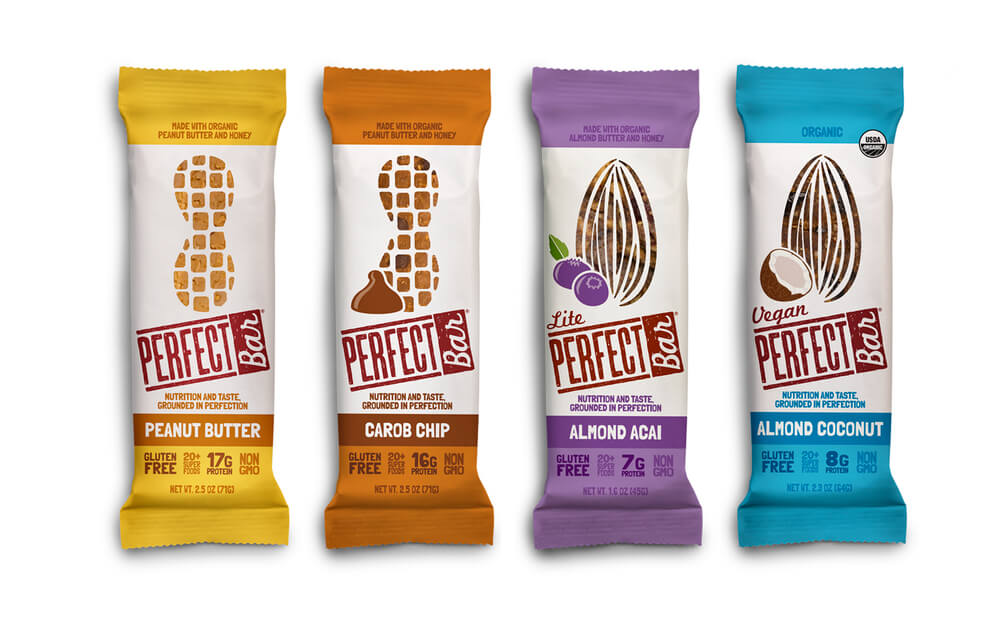
Mmm, Perfect Bars are one of our favorite snacks at CHF!
By keeping these general guidelines in mind, we can reduce our waste even further!
We thank you for embracing our Green Initiatives and your willingness to spend those few extra seconds pondering which bin to toss your waste in! If you ever get confused, always feel free to ask any of our staff members where to put your item.
Interested in taking a larger role in our sustainability efforts here at Castle Hill? Join our Green Team and help us continue to find different ways to minimize our environmental impact! If you are interested in joining our team, please email ciara@castlehillfitness.com.