 MINDBODY
It might be an unlikely pairing - a spa in a gym. Yet it's our belief that caring for your body is more than just breaking a sweat or achieving a PR. In our spa, you will find a group of professionals with extensive education in their fields. Our focus is on healing and recovery - so that you can stay active and injury-free for years to come! And what better place for it than inside your gym? At Castle Hill Fitness Gym and Spa, we are your one-stop for optimal health in Austin, Texas.
BOOK A SPA APPOINTMENT
Our spa features four treatment rooms, online booking for most services, and a central location that is easy to access at any time of day. You do not need to be a member of Castle Hill to book spa services, but members receive discounts on spa services and packages.
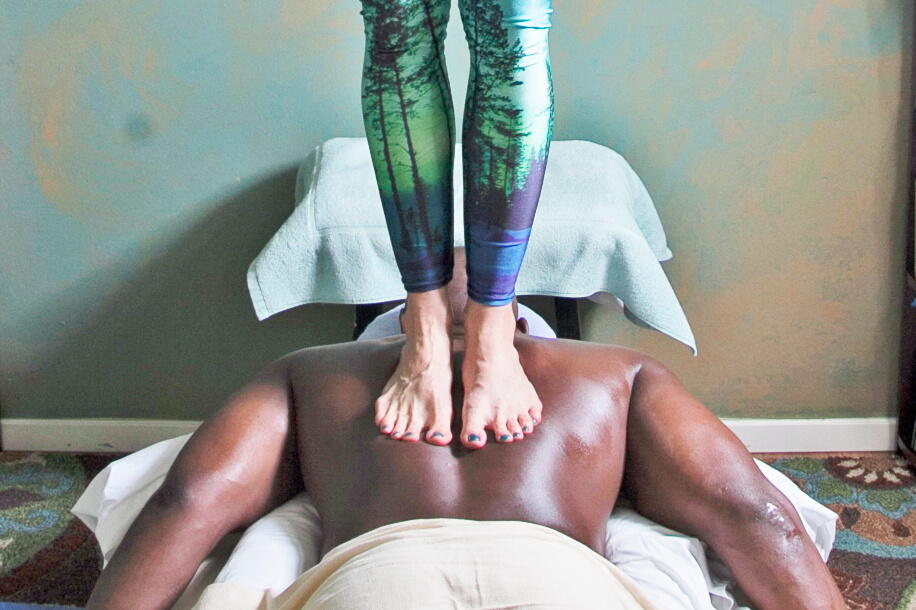
Ashiatsu Massage
Ashiatsu Massage is the world’s deepest and most luxurious massage. This modality is when the therapist uses their clean feet to apply pressure in broad fluid strokes while keeping balance with parallel bars overhead. Find out more about Ashiatsu Massage...
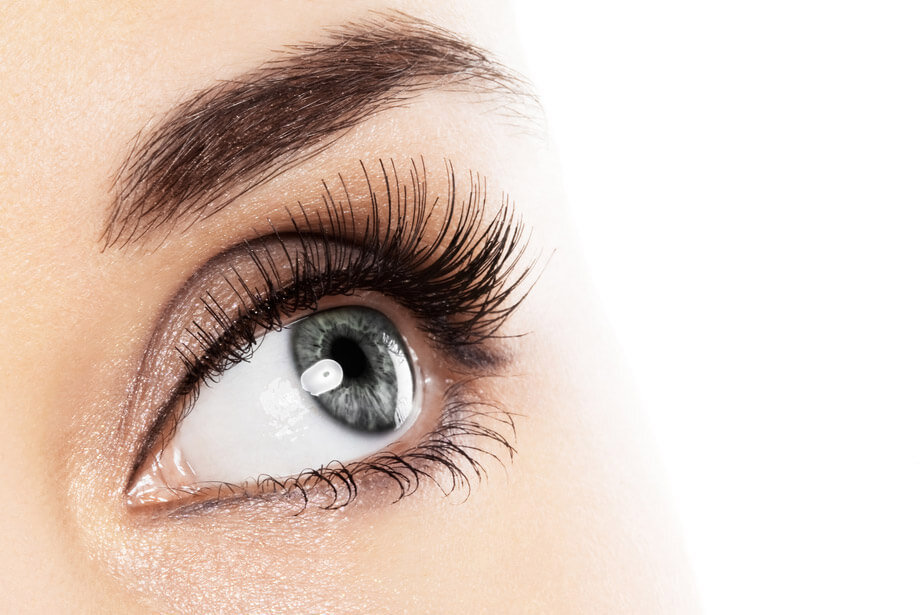
Brow and Lash Services
We offer several types of services for your brows and lashes including tinting, henna, keratin infusions, and brow laminations. Learn more here...
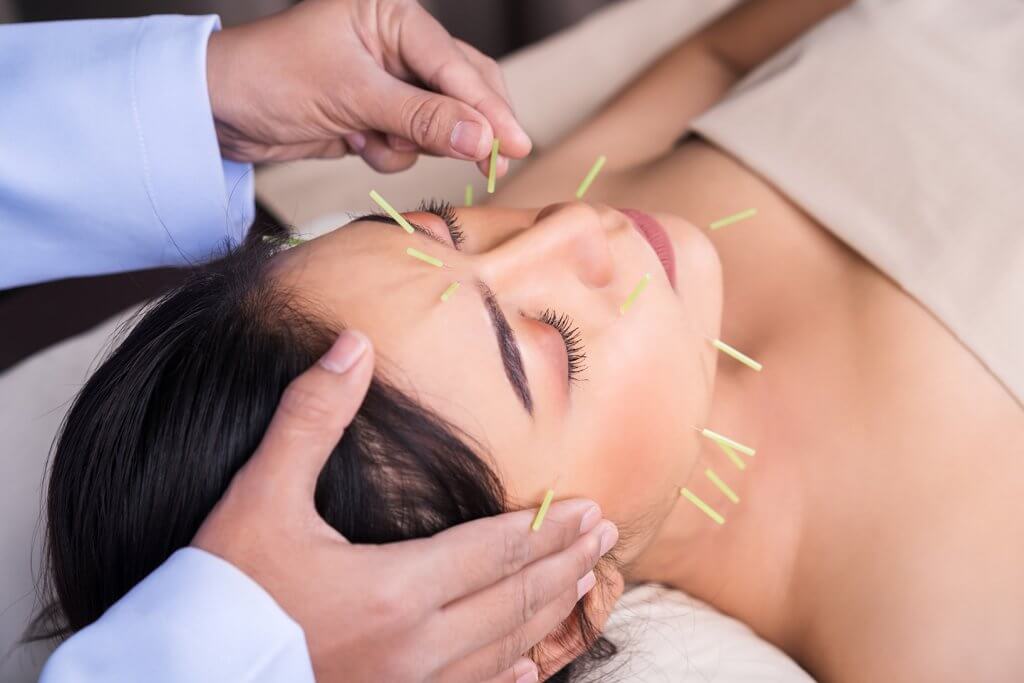
COSMETIC ACUPUNCTURE FACIAL
A Cosmetic Acupuncture Facial is a relaxing, non-invasive treatment that combines facial and body Acupuncture with a variety of techniques to boost skin health and appearance. Read more...
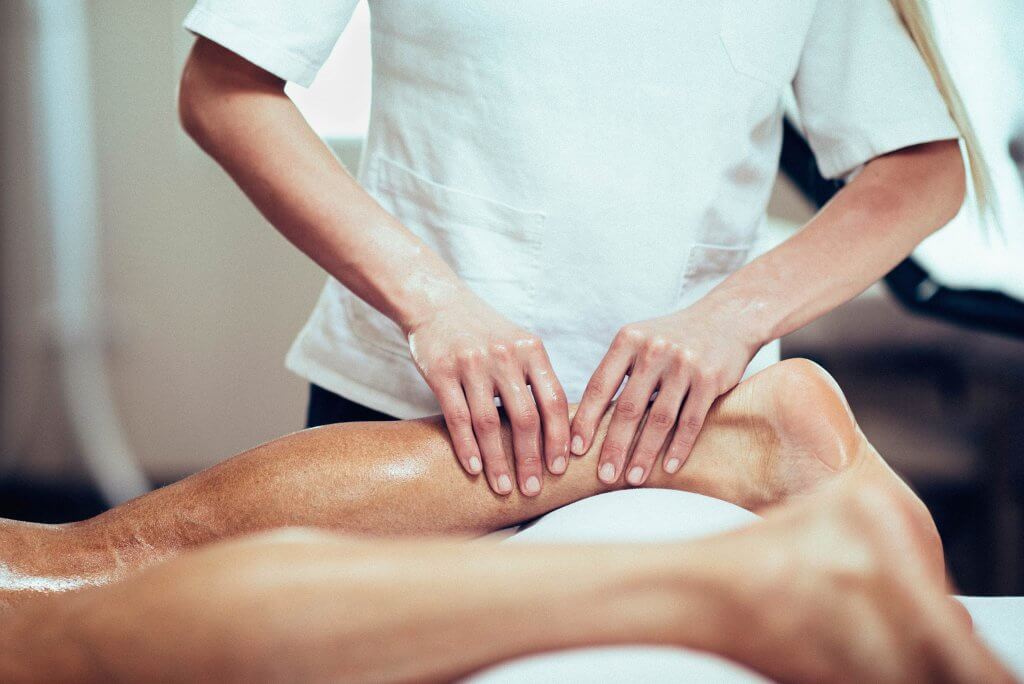
MASSAGE
The Castle Hill massage therapists are experienced professionals who exceed the state standards in training and continuing education. Our goal is to help you attain lasting results within a cozy, relaxing environment. Our staff specializes in one or more styles of massage...
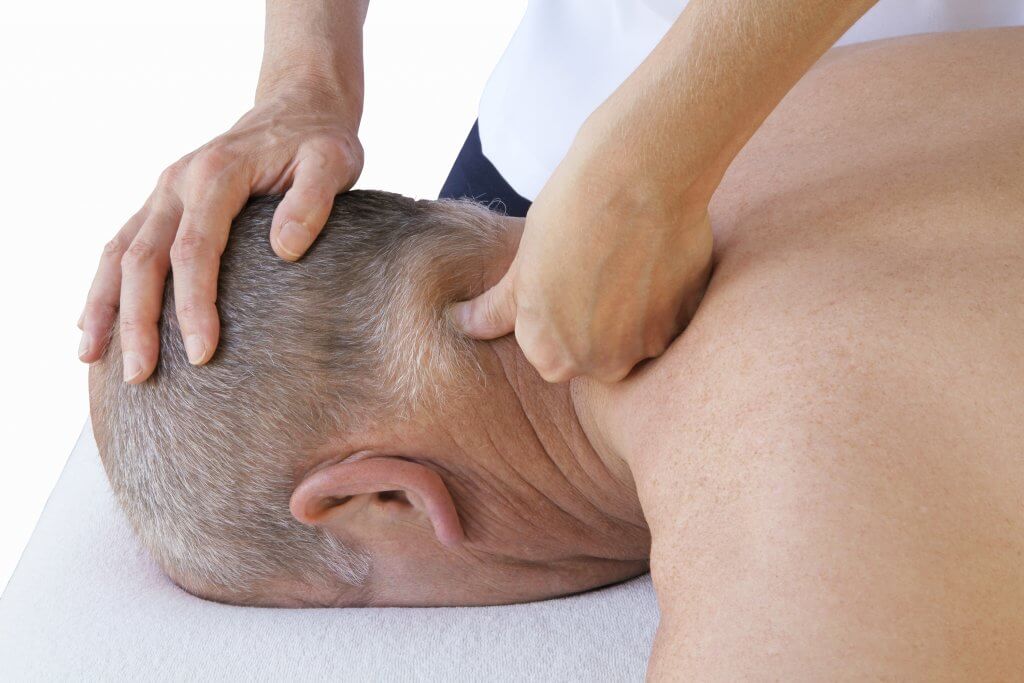
Neuromuscular Therapy
Neuromuscular Therapy (NMT) is a type of soft tissue manual therapy. NMT is a highly effective therapy for those experiencing chronic or on-going pain. Read more about the benefits of NMT and discover if this type of bodywork is right for you.
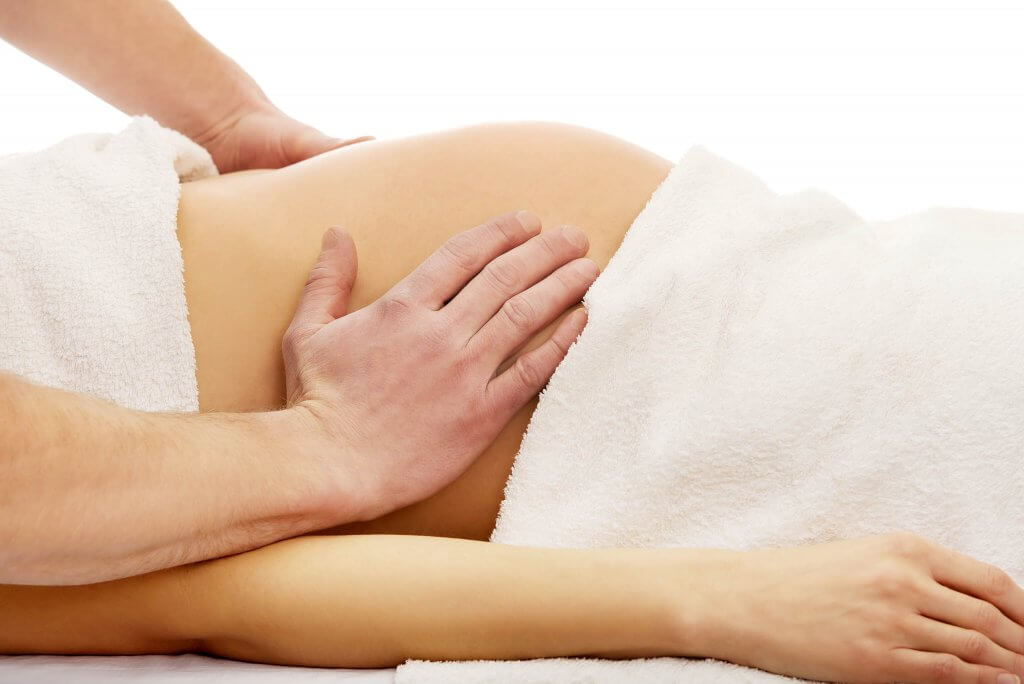
Pregnancy Massage
Nurture the mother, nurture the child. Pregnancy is a wonderful experience, but it can also be uncomfortable at times. Massage therapy for the childbearing year has many benefits for the mother as well as the baby within. Find out more about Pregnancy massage...
SKIN CARE
Your skin is the largest organ of your body and skin care needs to be included in any well-rounded health routine. Our skin care services include facials, microdermabrasion, LED light therapy, microcurrent facelifts, waxings, and lash tints. We can help you protect the most visible part of you! Discover beautifully radiant skin...
Spa Team
![Annie-Swafford]() Annie Swafford
Annie Swafford
(she/her/hers)BOOK
NOW![Ciara-Conway]() Ciara Conway
Ciara Conway
(she/her/hers)BOOK
NOW![Derra-Perumean]() Derra Perumean
Derra Perumean
(she/her/hers)BOOK
NOW![John-Steinle]() John Steinle
John Steinle
(he/his)BOOK
NOW![Kelly-Bullock]() Kelly Bullock
Kelly Bullock
BOOK
NOW![Kyle-Suarez]() Kyle Suarez
Kyle Suarez
(she/her/hers)BOOK
NOW![Laurie-Covington]() Laurie Covington
Laurie Covington
(she/her/hers)BOOK
NOW![Melissa-Murphy]() Melissa Murphy
Melissa Murphy
(she/her/hers)BOOK
NOW![Melvis-Lara]() Melvis Lara
Melvis Lara
(she/her/hers)BOOK
NOW![Rachael-Bercey]() Rachael Bercey
Rachael Bercey
(she/her/hers)![Sean-Riley]() Sean Riley
Sean Riley
BOOK
NOW


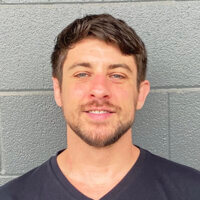
The Space
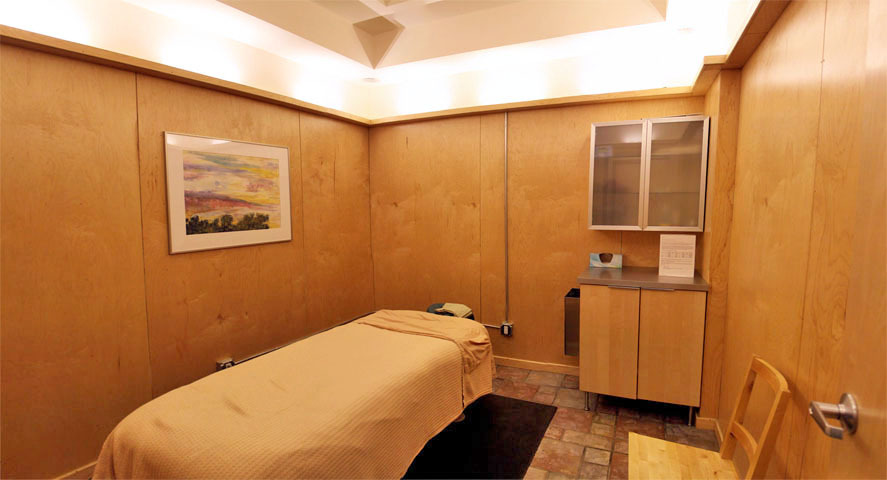
The Spa at Castle Hill Fitness is nestled in the heart of the building. Relax in our cozy waiting space as you await your service! The spa features four treatment rooms - one for skin care, one for acupuncture, and two dedicated for massage and structural integration. A restroom is conveniently nearby. Castle Hill Fitness has two infrared saunas - one in each locker room. Guests are invited to use the locker room, sauna, and showers before or after service.


Pricing
The Castle Hill massage therapists are experienced professionals who exceed the state standards in training and continuing education. Our goal is to help you attain lasting results and set your body up for your next hard workout! We offer Ashiatsu Massage, Deep Tissue Massage, Lymphatic, Myofascial Release, Sports Massage, and Swedish/Relaxation. We also provide special types of bodywork like Neuromuscular Therapy and Structural Integration.
| Member | Walk-in | |
| 30 minutes | $70 | $75 |
| 5-session package | $300 | $325 |
| 45 minutes | $85 | $95 |
| 5-session package | $410 | $455 |
| 60 minutes | $100 | $110 |
| 5-session package | $475 | $525 |
| 75 minutes | $120 | $130 |
| 5-session package | $570 | $620 |
| 90 minutes | $140 | $150 |
| 5-session package | $665 | $715 |
| 120 minutes | $200 | $210 |
| 5-session package | $975 | $1,025 |
We offer several types of services for your brows and lashes including tinting, henna, keratin infusions, and brow laminations. Skincare services are available at our downtown location.
Brow Henna services include shaping. Brows are mapped and shaped and then coated with Henna to create a makeup look on the brows and skin. Results last up to 2 weeks on skin and 4 weeks on hair.
Brow Lamination is a process that tames unruly brows or creates fluffy fullness. Similar to a lash lift, but formulated with special ingredients that are safe to use on delicate brow hairs and facial skin, Brow lamination relaxes the brow hairs, and then the hairs are “set” according to the client's desired look and natural brow growth pattern.
Brow and Lash Tinting add some color with a gentle formula and customized color.
Lash Lifts make your eyes pop with a perm for your lashes! This gentle formula will perfectly curl and lift lashes of any length for up to 8 weeks.
Keratin Lash Infusion is not a normal lash lift but a keratin infusion and condition treatment that leaves your lashes lightly curled and shiny with a healthy look. Results can last 6-8 weeks and are safe to do as often as needed.
| Member | Walk-in | |
| Brow Henna | $80 | $85 |
| Brow Lamination + shaping | $80 | $85 |
| Brow Lamination + tint | $95 | $100 |
| Lash lift (45 minutes) | $80 | $85 |
| Lash lift + tint (60 minutes) | $105 | $115 |
| Keratin Lash Infusion | $110 | $120 |
| Keratin Lash Infusion + tint | $125 | $135 |
| Brow tint | $30 | $35 |
| Eye lash tint | $40 | $45 |
| Brow + lash tint | $60 | $65 |
Safe, comfortable, non-surgical facelift and body sculpting! The facial microcurrent treatment uses gentle electrical stimulation to the surface of the skin with fine dual prongs or transmitting gloves to create results equivalent to those of a surgical facelift. The process takes little time each session it is performed and is painless, though you may experience a tingling sensation. Some people have even found the procedure relaxing. A series of treatments is typical to achieve optimum results. 60-minutes.
| Member | Walk-in | |
| Microcurrent treatment | $125 | $135 |
| 5-session package | $575 | $625 |
| 10-session package | $1,100 | $1,200 |
This facial polishes the surface of the skin using a mechanical exfoliation tool either in a wet or dry with either a diamond tip (dry) or a water jet (wet). Many experience improvements in tone, texture, and color just after one treatment. Includes everything in the express plus a mask and enzyme to the face, neck, and décolleté.
| Member | Walk-in | |
| 30 minutes | $80 | $85 |
| 60 minutes | $125 | $135 |
Drastically reduce fine lines, wrinkles, and signs of blemishes with one of the safest and least invasive beauty devices on the market: RevitaPen. This effective, pain-free treatment will leave your skin radiant and ready for action!
| Member | Walk-in | |
| 30 minutes | $90 | $95 |
| 5-session package | $425 | $450 |
| 50 minutes | $160 | $170 |
| 3-session package | $465 | $495 |
| 75 minutes | $195 | $205 |
| 3-session package | $555 | $585 |
All Signature Facials include cleansing, steam, exfoliation, and moisture. Basic (60 minutes) facials add a serum, mask, and one signature treatment. Pro (75 minutes) facials add a serum, mask, and two signature treatments.
Signature Treatments (60/75 min facials only):
- Advanced Extractions
- Dermaplane
- Custom Peel
- LED Light Therapy
- Microcurrent
| Member | Walk-in | |
| 60 minutes | $125 | $135 |
| 3-session package | $355 | $385 |
| 75 minutes | $160 | $170 |
| 3-session package | $465 | $495 |
| Member | Walk-in | |
| Arm, half | $40 | $45 |
| Arm, full | $55 | $60 |
| Back | $65 | $70 |
| Bikini | $45 | $50 |
| Betweeni | $60 | $56 |
| Brazilian (women only) | $70 | $75 |
| Brow | $25 | $30 |
| Chest (men only) | $65 | $70 |
| Chin | $20 | $25 |
| Lip | $20 | $25 |
| Underarm | $30 | $35 |
For Your Appointment
All clients: Early arrivals are appreciated to ensure all intake forms are completed.
For hair removal: Hair should be between ¼" and ½" in length. If your hair is longer, we recommend trimming prior to reservation. After hair removal, we recommend avoiding sun exposure and excessive sweating to lessen the chances of bacterial infection.
For lash clients: For best results we recommend our specific mascara and make-up remover. Avoid tugging or rubbing your eyes to keep your lashes longer. Fills should be booked every 2 weeks and extended fills after 3 weeks. Please arrive without mascara.
For Structural Integration: Wear something that you will be comfortable standing, walking, and moving around in. Gym shorts or boxer briefs for men, and yoga shorts and a sports bra for women are recommended.
For your health and comfort: We do not wax or perform peels on clients who are using Retin A, Accutane, Avage, Tazorac, Differin or any other medication that increases skin exfoliation or compromises the skin. Also, waxing or peels cannot be performed on people who have
recently had laser treatments, plastic surgery, or sunburn.
Note: We observe a 24-hour cancellation policy on all personal services. You can cancel your appointment online up to 24 hours in advance. Late cancellation fees are equal to the booked service.